The Real Cost of Delaying Tooth Replacement
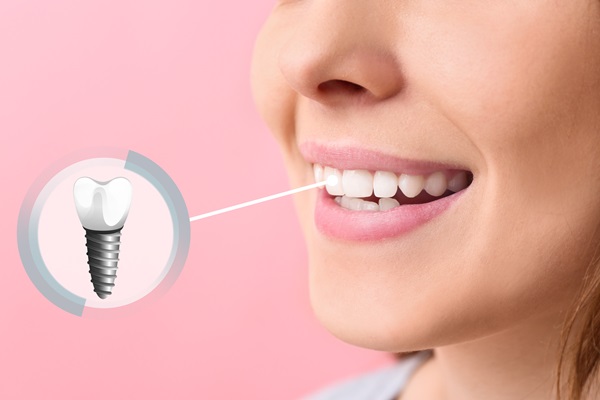
Many people see tooth replacement as something they can postpone without serious issues. However, putting off tooth replacement can lead to more problems than leaving a gap in your smile. Missing teeth can cause various oral and health problems, creating financial, functional, and emotional stress that you can otherwise avoid with immediate treatment.
Immediate effects of tooth loss
When a tooth is lost due to trauma, decay, or periodontal disease, the surrounding tissues change almost immediately. The space left by the missing tooth may seem harmless initially, but this gap can impact the surrounding teeth and jawbone over time. Without the stimulation the tooth roots provide, the jawbone begins to deteriorate, a process known as bone resorption. This can lead to a sunken facial appearance, misaligned bite, and increased difficulty chewing and speaking.
Bone loss and shifting teeth
Bone loss is one of the most serious long-term effects of delaying tooth replacement. As the body absorbs the bone tissue, it changes the shape of the patient's face and affects the placement and stability of adjacent teeth. These teeth may begin to shift into the space, leading to misalignment and new gaps. This shifting can result in uneven wear on the chewing surfaces of the teeth, temporomandibular joint (TMJ) disorders, and an increased risk of additional tooth loss.
Stress on remaining teeth
Delaying tooth replacement also places additional strain on the remaining teeth. When one or more teeth are missing, the workload of chewing is redistributed to fewer teeth, which can lead to overuse and premature wear. This imbalance often results in cracked or fractured teeth, gum recession, and bite problems that may require complex and expensive corrective procedures.
Increased financial costs over time
From a financial standpoint, delaying tooth replacement often exceeds the cost of proactive treatment. For example, when placed promptly, a single dental implant can prevent bone loss and maintain the natural alignment of the teeth. However, when one delays tooth replacement, more extensive procedures such as bone grafts, sinus lifts, or orthodontic treatment may be necessary before the dentist can replace the missing tooth with an implant. These procedures can increase both the cost and the duration of treatment.
Nutritional challenges
Furthermore, neglecting to replace missing teeth can affect nutritional health. Individuals with gaps in their teeth often avoid certain foods, especially hard or fibrous foods, such as raw vegetables, nuts, and lean meats. Over time, this dietary limitation can result in nutritional deficiencies, compromised digestion, and a general decline in overall health.
Speaking issues
Speech can also be affected by missing teeth, particularly if the front teeth are involved. The pronunciation of certain sounds relies on the interaction between the tongue and the teeth. When people are missing one or more teeth, they may develop speech impediments or become self-conscious about how they speak. This can influence personal and professional relationships, decreasing self-esteem and confidence when engaging in social situations.
The benefits of tooth replacement
Timely tooth replacement provides a way to prevent or reverse many of these negative outcomes. Modern tooth replacement options can restore the appearance, function, and health of the patient's smile. Various tooth replacement options are available to suit different clinical needs, budgets, and personal preferences. Each option offers unique advantages in terms of function, appearance, and longevity.
Popular tooth replacement options include:
- Dental implants. Surgically placed into the jawbone, implants provide a permanent, stable solution that closely mimics natural teeth. They help preserve bone and prevent the shifting of the adjacent teeth.
- Dental bridges. A fixed tooth replacement option that uses neighboring teeth as anchors to fill the gap left by a missing tooth. Bridges restore chewing function and the appearance of the patient's smile but permanently change their healthy teeth.
- Removable dentures. A more affordable option is suitable for multiple missing teeth. Dentures can be partial or full and are easy to remove for cleaning, though they may be less stable than fixed solutions.
In addition to preserving oral health, prompt tooth replacement supports systemic health. By replacing missing teeth and maintaining a healthy mouth, individuals can reduce the risk of worsening health issues like heart disease, diabetes, and respiratory infections.
Call our office to restore your smile
While it can seem like tooth replacement is an inconvenience, restoring your smile can help you preserve your health and overall quality of life. Are you ready to start with the Southern Cal Smiles: Susan Fredericks, D.D.S, M.P.H. team? Call our Woodland Hills office to restore your smile.
Request an appointment here: https://www.southerncalsmiles.com or call Southern Cal Smiles: Susan Fredericks, D.D.S, M.P.H. at (818) 657-8055 for an appointmechild'sur Woodland Hills office
Check out what others are saying about our dental services on Yelp: Options For Replacing Missing Teeth in Woodland Hills, CA.
Related Posts
If you're considering your options for replacing missing teeth, you may want to know when you should make your decision. In short, as soon as you can. Now, this is not always an option nor available at a moment's notice.Depending on the route you go, you're going to have to wait to let things heal.…
If you have a missing tooth or several missing teeth, you may wonder what your options for replacing missing teeth are. Fortunately, there are several replacement options. Dental implants are not the only option for replacing missing teeth. Continue reading to learn about the treatments available, along with the pros and cons of each treatment…
There are several dental implant options for replacing missing teeth. A dental implant permanently replaces a missing tooth, saving smiles and helping people eat their favorite foods for years to come. Unlike other options for replacing missing teeth, dental implants do not require regular check-ups from a dentist.The three most common types of dental implants…
Within the past few decades, advances in dentistry have resulted in many options for replacing missing teeth. While all of these options help restore functionality and appearance to a person’s mouth, they also differ in several ways. Depending on a patient’s dental history and lifestyle, one replacement option may be better suited for them than…