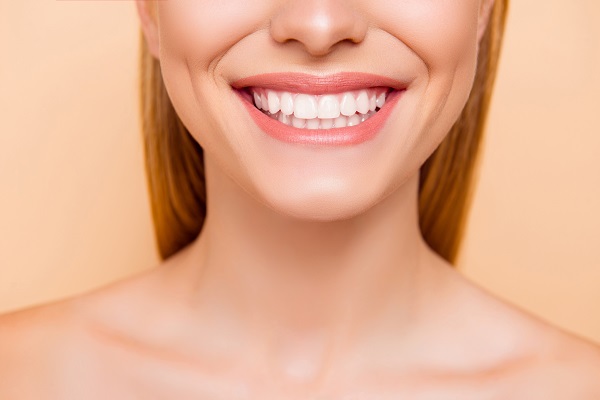
As more patients seek cosmetic dental treatment, dental veneers are more popular than ever. These restorations can completely transform a patient's smile. A porcelain or composite veneer can change a tooth's size, shape, or color. It can also be used to repair mild to moderate damage in some situations. This can help protect a person's teeth while also improving their confidence in their smile.
Patients interested in this treatment may wonder how the process works. It often requires multiple visits with a dentist from start to finish. Consider these three stages of dental veneer treatment to better understand what to expect with this type of procedure.
Understanding the dental veneer process
Before beginning the dental veneer process, patients need to understand the procedure. This way, they can make informed decisions about dental care. The patient must know that the dentist must remove some tooth structure to attach a veneer. Patients should also consider that once a dentist prepares a tooth for this restoration, the tooth will always require a veneer or crown to cover it. Before moving forward with treatment, the patient should understand what happens at each appointment for dental veneers.
Preparation appointment
At the initial appointment for dental veneers, a dentist prepares the tooth. This preparation involves reducing the front of the tooth by a few millimeters. This preparation ensures the veneer has enough surface area to attach. Unlike a dental crown, a veneer only requires shaving down the front surface of a tooth.
If the patient is receiving composite (chairside) veneers, the dentist will fabricate them that day. Because this is a same-day procedure, the patient needs no further appointments unless adjustments are needed. These restorations are very natural-looking but may not last as long as porcelain ones. In some cases, though, composite veneers do not require as much removal of the tooth surface as porcelain restorations.
If a dental laboratory will make the patient's porcelain veneers, the dentist creates temporary restorations. This way, the patient's smile looks natural while waiting for the final product. Patients should always discuss with the dentist the advantages and disadvantages of both types of veneers.
Laboratory time
Dentists often send porcelain veneers to a dental laboratory for fabrication. After the dentist prepares the teeth, they take impressions. These impressions may be physical molds or digital scans. The dentist sends these to a dental laboratory, and technicians use the impressions to create models of the patient's teeth. This way, the technician can design custom-fitting, natural-looking veneers. The dentist sends a shade preference and any other details to the lab. This way, veneers are made to the patient's specifications.
Delivery appointment
Turnaround time for dental laboratories can vary, but most patients can expect to receive the permanent veneers in a few weeks. The dental office schedules an appointment when the restorations are ready. At this appointment, the dentist removes the temporary veneers and bonds the permanent ones. Then, the dentist makes necessary adjustments for the patient's comfort.
The benefits of choosing dental veneers
Veneers can be a versatile treatment option for a variety of dental issues, including:
- Staining or discoloration that will not respond to whitening treatments
- Minor to moderate chips or cracks
- Gaps between otherwise properly aligned teeth
- Adult teeth that are unevenly sized or shaped
Many people choose veneers because they offer beautiful and realistic results. Porcelain veneers are known for having light-reflecting properties that help them effectively mimic the appearance of natural teeth. In addition, dentists are able to match the ideal size, color, and shape so that your veneers can blend seamlessly with other teeth as needed.
With proper care and routine checkups, dental veneers can be quite durable. In many situations, they can last for 15 to 20 years before a replacement is needed. While the placement procedure can be uncomfortable, it is significantly less invasive than other tooth restoration options. It is important to remember that because a dentist must remove some tooth enamel to place veneers, the procedure is irreversible. Getting porcelain veneers is a lifelong commitment, but one that many patients are very happy with.
Conclusion
Patients interested in cosmetic dental treatments may find that dental veneers are the right choice. This option can effectively repair damage while improving the look and function of natural teeth. Those wanting a new smile should set up a consultation with a dentist today. This way, any patient can begin a journey toward a healthy, confident smile.
Request an appointment here: https://www.southerncalsmiles.com or call Southern Cal Smiles: Susan Fredericks, D.D.S, M.P.H. at (818) 657-8055 for an appointment in our Woodland Hills office.
Check out what others are saying about our dental services on Yelp: Dental Veneers and Dental Laminates in Woodland Hills, CA.
Related Posts
Dental veneers and dental crowns are restorations that can change the appearance of your teeth. Though they are different procedures, people often confuse the two. This article will review the key differences between crowns and veneers to help you better understand which procedure is right for you.A dental veneer is a thin covering for a…
Dental veneers are an investment. Getting these restorations is a significant decision. The permanence of having these shells on your teeth needs commitment. Knowing how to make these restorations last longer can help motivate you to care for them even more. Here are some advice and tips on how to make your dental veneers last…
Dental veneers are thin shells that are often made of strong material. Your dentist will attach them to your treated teeth. These restorations may protect and strengthen your teeth, but they may still fail without proper maintenance. Proper care is important to achieve the results that you need. Here are the ways of properly caring…
Dental veneers are a popular cosmetic dentistry option for those who want to enhance their smile. They are thin, custom-made shells that sit on the front surface of teeth to improve their appearance. Veneers can correct dental imperfections, including stained or discolored teeth, chipped or misshapen teeth, and gaps between teeth.If you are considering getting…