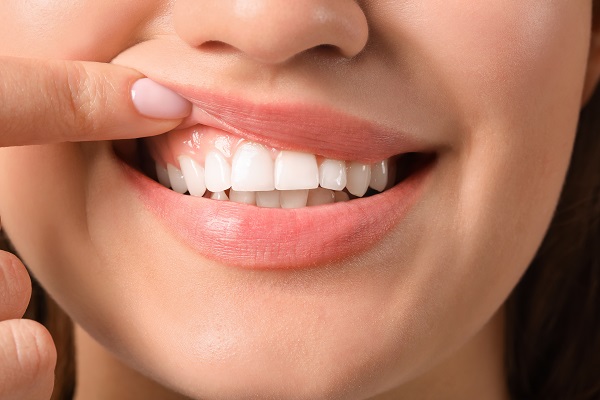
One common, but potentially dangerous, dental issue is gum disease. This disease has three stages, and if it is caught early enough, it can be prevented from getting worse. Once it reaches the advanced stages, it is irreversible, and the treatment methods can be intense. If you suspect you may have gum disease, it is important to choose the right dentist.
Tips for choosing the right dentist
Gum disease should not be ignored, and it is easier to get the proper treatment if you have a dentist that you like and respect. You should feel comfortable in the office, both in the reception area and the treatment rooms.
Look for a dentist that listens to your concerns and explains in detail what he or she has found. You should feel like you can confidently ask any question and that the dentist will be honest with you. The dentist should also take dental issues seriously and tell you both the pros and cons of any potential procedure.
Treatment for gum disease
Gum disease is caused by plaque and bacteria buildup that begins to infect the gum tissue. Early symptoms include inflammation of the gums. If not treated, the disease progresses. This results in worsening infection which can ultimately result in tooth loss if it does not get under control. At the first signs, the dentist may just recommend better oral hygiene for the thorough removal of bacteria.
Scaling and root planing
If better brushing and flossing do not fix the issue, the first step in treatment is a deep cleaning known as scaling and root planing. Plaque and tartar are scraped off, and any rough spots are smoothed so that it is harder for bacteria to adhere to the teeth.
Pocket reduction
As gum disease progresses, the gums begin to recess from the teeth, and pockets form. The dentist will treat this by folding the gum tissue back and removing the infectious bacteria from underneath. The teeth will then be smoothed so the gums can reattach.
Gum graft
If the gum disease is causing recession that is so bad that the tooth root is exposed, a gum graft may be recommended. This stops recession from getting worse and prevents bone loss while reducing sensitivity and protecting the roots from decay. During this procedure, tissue is taken from the palate or other location, and then it is used to cover the roots.
Abscess clearing
If the infection gets very bad, it may cause a severe infection known as an abscess. The dentist needs to drain the abscess and thoroughly clean the area.
Tooth extraction
Advanced gum disease leads to underlying bone loss. This can cause teeth to loosen. If a tooth cannot be saved, the dentist may need to remove it. Because even one missing tooth has long-term consequences, the dentist will recommend a method for replacement.
Conclusion
It is important to catch gum disease right away so steps can be taken to prevent it from getting worse. The right dentist will be able to detect the issue even before symptoms appear and recommend the proper treatment.
Request an appointment here: https://www.southerncalsmiles.com or call Southern Cal Smiles: Susan Fredericks, D.D.S, M.P.H. at (818) 657-8055 for an appointment in our Woodland Hills office.
Check out what others are saying about our dental services on Yelp: Gum Disease in Woodland Hills, CA.
Related Posts
Gum disease is also known as periodontal disease. This is a condition that causes inflammation of the tissue around the patient’s teeth. It is caused by bacteria building up in the area. Keep reading to learn about some of the symptoms of gum disease.Periodontal disease is a progressive condition, meaning it gets worse over time.…
Gum disease is a serious condition that can result in a need for periodontal treatment. Periodontal treatment is often necessary to destroy the infection and prevent it from worsening. Often, without treatment, a case of gum disease can become advanced, resulting in tooth loss, receding gums, and even jaw deterioration, all of which can be…
Root canal treatment often sounds intimidating, yet endodontics focuses on relieving pain and saving natural teeth with precise, evidence-based techniques. An endodontist specializes in diagnosing tooth pain and treating the soft tissue within the tooth. When deep decay, cracks, or prior dental work inflame the pulp, bacteria gain access and create significant discomfort. A root…
Dental veneers and dental crowns are restorations that can change the appearance of your teeth. Though they are different procedures, people often confuse the two. This article will review the key differences between crowns and veneers to help you better understand which procedure is right for you.A dental veneer is a thin covering for a…